Moscow, Russia
Geographical Location
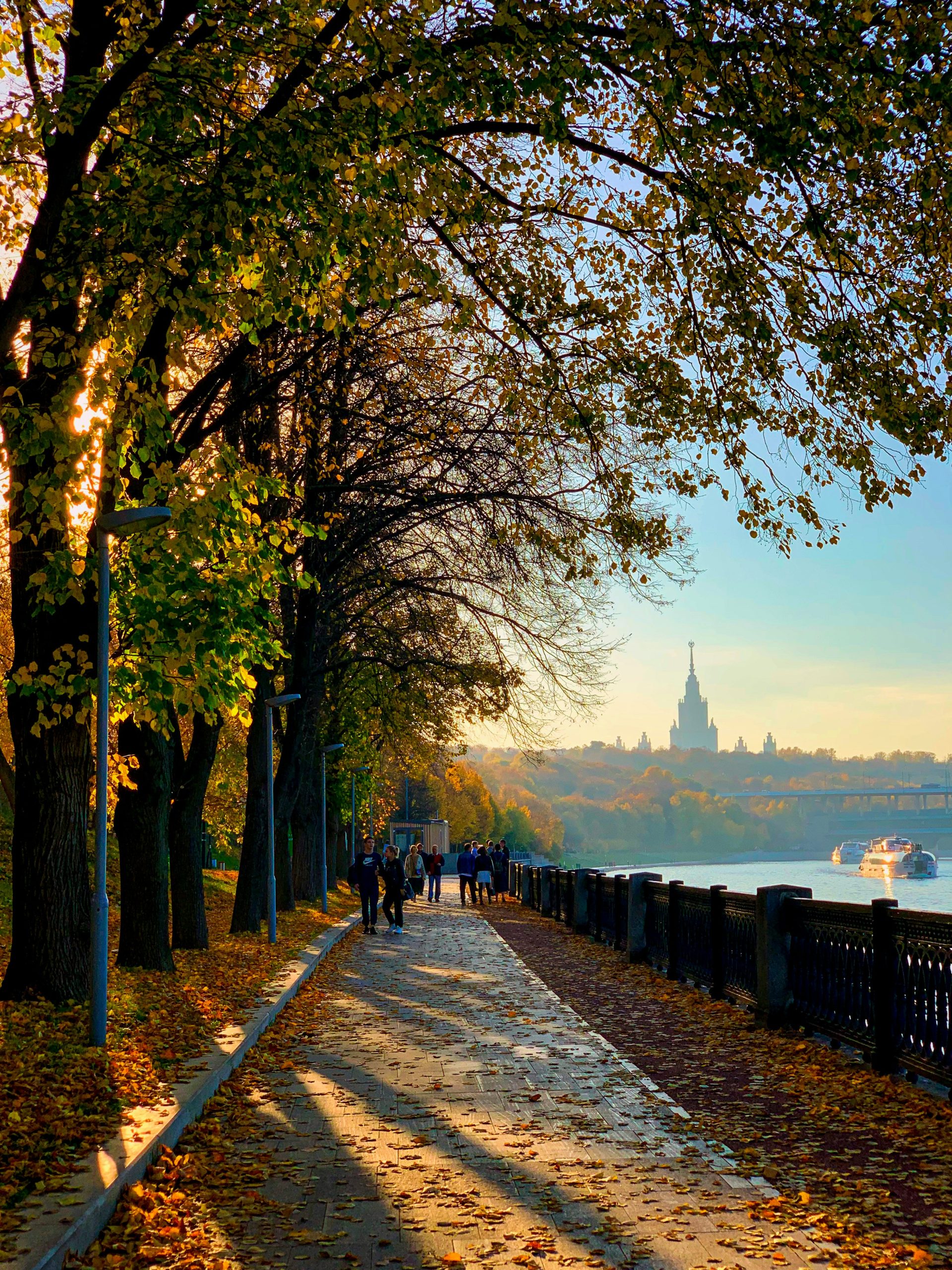
Moscow is situated in the center of the East European Plain, between the Oka and Volga rivers, on the banks of the Moskva River. The city's terrain varies from lowlands to the famous Sparrow Hills (Vorobyovy Gory), which offer a breathtaking panoramic view of the whole city.
Climate
The climate is humid continental with clearly defined seasons. Winters can be snowy and cold (averaging -6°C), while summers are warm and even hot (+20-25°C). The best time to visit is from May to September and during the New Year holidays.
Demographics
Moscow is the most populous city in Russia and Europe. The official population exceeds 13 million people. It is a multinational metropolis where representatives of almost all nations of the former USSR and the world live and work.
Architecture
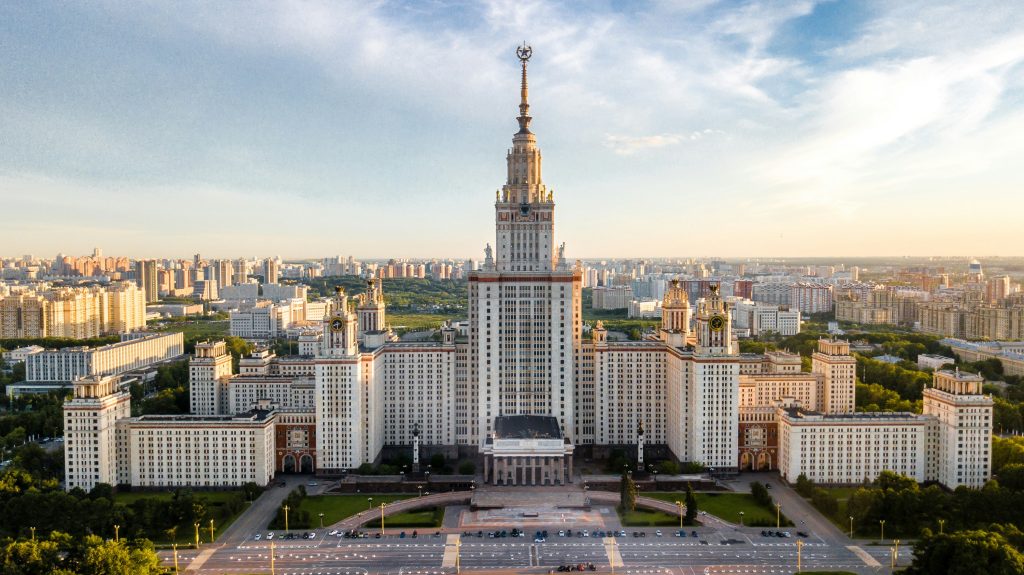
Moscow is renowned for its architectural diversity: here, ancient chambers and churches with golden domes stand side by side with monumental Stalinist skyscrapers (the "Seven Sisters") and the futuristic towers of the Moscow-City business district. The crown jewel of the city is the Moscow Kremlin and Red Square ensemble, a UNESCO World Heritage Site.
Transport
The Moscow Metro is more than just a transit system; it is a veritable underground museum. Its stations are adorned with marble, mosaics, sculptures, and chandeliers. It serves as the fastest and most convenient way to navigate the city.
History
The first historical mention of Moscow dates back to 1147 and is associated with Prince Yuri Dolgorukiy. Since then, the city has evolved from a small border fortress into the capital of a vast empire. Moscow has been rebuilt, burned down, and risen from the ashes many times, all while preserving its unique ring structure.